
As an Amazon Associate I earn from qualifying purchases.
A compromised skin barrier shows up as tightness, flaking, redness, or that frustrating cycle where every new product stings. Repairing it isn’t about one miracle jar — it’s about layering the right ingredients (ceramides, hyaluronic acid, niacinamide, peptides) while keeping irritation low and your application tools clean. Below, we break down six products that fit into a complete hydration-and-barrier-focused routine, from treatment serums and moisturizers to the exfoliating toner that preps your skin and the disposable towels that keep bacteria off a healing face. Every recommendation is based on manufacturer-published ingredient lists, clinical claims, and patterns we found across thousands of verified customer reviews.
Best for: Anyone with a damaged, sensitive, or dehydrated skin barrier looking for a complete routine
How a Barrier-Repair Routine Works
Your skin barrier (the stratum corneum) is essentially a wall of dead skin cells held together by a lipid mortar of ceramides, cholesterol, and fatty acids. When that mortar breaks down — from over-exfoliation, harsh cleansers, retinoid overuse, or environmental stress — moisture escapes and irritants get in. A barrier-repair routine focuses on three steps:
1. Gentle exfoliation (only when the barrier can handle it) to remove dead buildup without stripping. 2. Hydration layering with humectants like hyaluronic acid and PDRN, plus peptides and niacinamide to support the skin’s own repair mechanisms. 3. Occlusive sealing with a ceramide-rich moisturizer that mimics the barrier’s natural lipid structure.
The products below map to those steps. We also include the application tools — cotton rounds and disposable face towels — because dragging a bacteria-laden cloth towel across a compromised barrier can undo all your product work.
La Roche-Posay Toleriane Double Repair Face Moisturizer

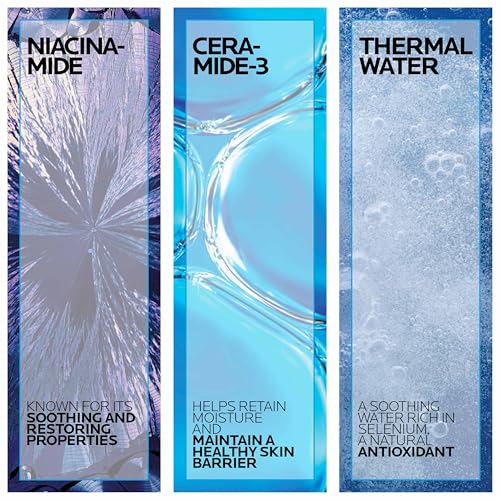
This is the anchor of a barrier-repair routine and our top overall pick. La Roche-Posay formulates it with ceramide-3, niacinamide, and La Roche-Posay prebiotic thermal water, a combination designed to restore the lipid barrier while calming inflammation. The manufacturer states it provides up to 48 hours of hydration and is tested on sensitive skin. It’s oil-free, fragrance-free, and non-comedogenic.
Across nearly 50,000 verified Amazon reviews, the consensus is remarkably consistent: buyers praise the lightweight-yet-rich texture that absorbs quickly without greasiness, making it suitable under makeup or sunscreen. Many reviewers with eczema, rosacea, or post-procedure skin report it’s one of the few moisturizers that doesn’t sting or cause breakouts. The most common complaint is that some users with very oily skin find it slightly too heavy for summer use, and a handful note the tube size feels small relative to the price.
Pros: Dermatologist-recommended ceramide + niacinamide formula; fragrance-free; enormous base of positive reviews; works on sensitive and reactive skin.
Cons: May feel heavy on very oily skin in humid climates; tube could be larger.
Best for: Anyone with a compromised barrier, post-procedure skin, or sensitivity who needs a reliable daily moisturizer.
Anua PDRN Hyaluronic Acid 100 Moisturizing Cream

PDRN (polydeoxyribonucleotide, derived from salmon DNA) is a trending K-beauty ingredient that manufacturers claim supports skin regeneration at the cellular level. Anua pairs it with hyaluronic acid in a lightweight, non-greasy cream designed for deep hydration without heaviness. The brand markets it as suitable for all skin types, including oily and combination.
Early verified reviews highlight the gel-cream texture that sinks in quickly and layers well under sunscreen. Reviewers appreciate that it doesn’t pill and leaves skin feeling plump rather than sticky. Because this product is relatively new to the U.S. market, the review pool is still growing, so long-term consensus is limited. Some buyers note the fragrance is mild but present, which could be a concern for ultra-sensitive skin.
Pros: Lightweight gel-cream texture; PDRN + hyaluronic acid for hydration and repair; non-greasy finish; layers well.
Cons: Limited long-term review data; contains a light fragrance; PDRN clinical evidence is still emerging.
Best for: K-beauty enthusiasts or oily-skin types who want barrier-supporting hydration without a heavy cream.

Medicube PDRN Pink Peptide Serum

Where the Anua cream above focuses on moisturizing, the Medicube PDRN Pink Peptide Serum is a treatment step designed to go underneath your moisturizer. It combines salmon-derived PDRN, peptides, and niacinamide — a trio the manufacturer says targets hydration, firmness, and an even skin tone. The serum has a lightweight, watery-gel consistency that’s meant to absorb before you apply your cream.
Because this product is very new, verified customer reviews are extremely limited, so we can’t report a broad consensus. Based on the ingredient list and manufacturer claims, it fits logically into a barrier-repair routine as a hydration-boosting treatment serum. The peptide complex may appeal to users who also want anti-aging benefits alongside barrier support. One thing to note: the product is positioned at a premium price point for a serum, and without extensive user feedback, it’s harder to gauge real-world performance.
Pros: Multi-functional ingredient profile (PDRN + peptides + niacinamide); lightweight serum texture; designed to layer under moisturizer.
Cons: Very few verified reviews available; premium pricing; long-term efficacy unproven by broad user consensus.
Best for: Skincare enthusiasts willing to try a cutting-edge K-beauty serum as a treatment layer in their barrier routine.

The Ordinary Glycolic Acid 7% Exfoliating Toner

Exfoliation and barrier repair might sound contradictory, but gentle, controlled exfoliation helps remove the dead-cell buildup that can prevent your hydrating products from penetrating. The Ordinary’s 7% glycolic acid toner also contains aloe vera, ginseng, and Tasmanian pepperberry — the last of which the brand says helps reduce the irritation potential of the acid.
This is a well-known product in the skincare community. Verified reviewers widely praise its effectiveness at brightening skin tone, smoothing texture, and improving the absorption of subsequent products. The most common caution — echoed by dermatologists and reviewers alike — is that 7% glycolic acid is too strong for daily use on a compromised barrier. If your barrier is actively damaged, this toner should be introduced slowly (once or twice a week) and only after your barrier has partially recovered. Reviewers with sensitive skin sometimes report stinging or redness when they use it too frequently.
Pros: Effective AHA exfoliation at an accessible price; includes soothing botanicals; improves product absorption; huge community following.
Cons: Too strong for daily use on damaged barriers; can cause stinging if overused; requires sunscreen the next morning.
Best for: Users whose barrier is on the mend and who want to add controlled exfoliation to improve texture and product penetration.

Amazon Basics Hypoallergenic Cotton Rounds

Applying a toner like The Ordinary’s glycolic acid requires a good cotton round, and these hypoallergenic rounds from Amazon Basics are a budget-friendly staple. They’re made from 100% cotton, are hypoallergenic, and come in a 100-count pack. The rounds are designed to be soft enough for sensitive skin and absorbent enough to distribute toner evenly without wasting product.
Verified reviewers generally find them soft, lint-free, and functional for the price. The most common praise is the value — they’re significantly cheaper per round than many branded alternatives. On the downside, some reviewers note they’re thinner than premium cotton rounds, which means they can saturate quickly and may require using two for a full-face toner application. A few buyers also mention they can shed small fibers, though this seems to be a minority complaint.
Pros: Hypoallergenic; very affordable; soft texture; widely available.
Cons: Thinner than premium options; may saturate quickly; occasional lint shedding reported.
Best for: Budget-conscious shoppers who need a reliable, gentle cotton round for toner application.

Clean Skin Club Clean Towels XL
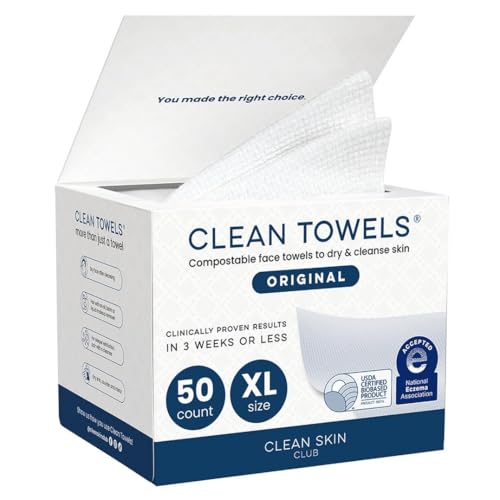
Here’s a product that doesn’t contain a single active ingredient — and yet dermatologists and skincare influencers consistently recommend it for barrier repair. The reason: traditional cloth towels harbor bacteria, mold, and detergent residue that can irritate a compromised barrier every time you pat your face dry. Clean Skin Club’s disposable face towels are 100% USDA Biobased, accepted by the National Eczema Association, and designed for single use.
With a strong base of verified reviews, the consensus is overwhelmingly positive. Buyers report noticeably fewer breakouts and less irritation after switching from cloth towels. The XL size is praised for being large enough to pat the entire face and neck dry comfortably. The primary complaint is the ongoing cost — disposable towels are inherently more expensive than reusable ones, and some environmentally conscious buyers struggle with the waste, even though the brand emphasizes the biobased material. A few reviewers also note the towels have a slightly rough texture compared to a plush cotton towel.
If you’re investing in ceramide creams and peptide serums to repair your barrier, using a clean, single-use towel to dry your face is a logical (if sometimes overlooked) step. Much like choosing the right water bottle for daily hydration, the tools you use matter as much as the products themselves.
Pros: Eliminates bacterial transfer from cloth towels; Eczema Association accepted; USDA Biobased; XL size is generous.
Cons: Ongoing cost adds up; generates more waste than reusable towels; texture is slightly rougher than plush cotton.
Best for: Anyone with acne-prone, eczema-prone, or barrier-compromised skin who wants to eliminate towel-related irritation.

How to Layer These Products in a Barrier-Repair Routine
If you’re building a routine from the products above, here’s a suggested order:
Evening Routine: 1. Cleanse with a gentle, non-foaming cleanser (not reviewed here, but crucial). 2. The Ordinary Glycolic Acid Toner — apply with an Amazon Basics Cotton Round, 1-2x per week only once your barrier tolerates it. 3. Medicube PDRN Pink Peptide Serum — pat onto damp skin. 4. Anua PDRN Hyaluronic Acid Cream or La Roche-Posay Toleriane Double Repair — seal everything in. 5. Pat dry with a Clean Skin Club Clean Towel if needed.
Morning Routine: 1. Rinse with water or a gentle cleanser. 2. La Roche-Posay Toleriane Double Repair — lightweight enough for daytime. 3. Sunscreen (non-negotiable, especially if using glycolic acid).
Important note: If your barrier is severely compromised (stinging, visible flaking, redness), skip the glycolic acid toner entirely until your skin has calmed down. Start with just the moisturizer for 1-2 weeks before adding serums or actives.
Product Comparison
Frequently Asked Questions
How long does it take to repair a damaged skin barrier?
Most dermatological sources suggest the skin barrier can recover in 2-4 weeks with a simplified, gentle routine, though severe damage may take longer. During this time, minimize actives and focus on ceramide- and hyaluronic-acid-based moisturizers.
Can I use glycolic acid if my barrier is damaged?
Not immediately. Glycolic acid is an exfoliant and can worsen a compromised barrier. Wait until stinging and redness have subsided, then introduce it slowly — once a week at most — to improve texture and product absorption.
What’s PDRN and is it proven?
PDRN (polydeoxyribonucleotide) is derived from salmon DNA and has been used in medical settings (wound healing, tissue regeneration) for years. Its use in cosmetic skincare is newer, and while early studies and anecdotal reports are promising, the body of cosmetic-specific clinical evidence is still growing.
Do I really need disposable face towels?
You don’t need them, but if you’re dealing with acne, eczema, or active barrier damage, switching from a reused cloth towel to a single-use option can reduce bacterial transfer. It’s a small change that many verified reviewers credit with noticeable improvements.
How We Research
We have not personally tested, owned, or used any of the products in this guide. Our recommendations are based on a thorough synthesis of manufacturer-published ingredient lists, product specifications, clinical claims, and patterns found across verified customer reviews on Amazon and expert commentary from dermatological sources. We cross-reference ingredient profiles against published dermatological research to assess how each product fits into a barrier-repair routine. This honest, research-based approach ensures our recommendations are grounded in real data rather than fabricated hands-on experience.


Leave a Reply