
As an Amazon Associate I earn from qualifying purchases.
A gooseneck-style natural gas detector is one of the smartest investments a homeowner can make — it lets you trace leaks from propane, methane, and butane right to their source. But the detector itself is only one piece of a truly reliable home safety system. What happens after you find a leak? How do you secure the space, suppress a potential fire, or protect entry points while you wait for a utility crew? This guide walks you through the practical companion products that turn a single detection tool into a comprehensive gas-safety kit. We researched manufacturer specs, verified customer feedback, and expert recommendations to curate a list of accessories that pair naturally with a gooseneck gas detector — from the detector itself to fire suppression gear and physical security reinforcements.
Best for: Homeowners building a complete gas leak detection and emergency response kit
Why Accessories Matter for Gas Leak Detection
A gas detector tells you where the problem is, but it doesn’t solve the problem. In a real-world leak scenario, you may need to suppress flames, ventilate the area, and secure doors while evacuating. Having the right companion gear staged near your detector — especially in utility rooms, kitchens, and garages — can shave critical seconds off your emergency response. The products below were chosen because they address the most common follow-up needs homeowners face after a gas leak alarm sounds.
If you’re also interested in how different detector models compare, our PT205 Natural Gas Detector review breaks down the strengths and weaknesses of another popular option in this category.
The Core Detector: PT520A Natural Gas Detector with 17-Inch Gooseneck
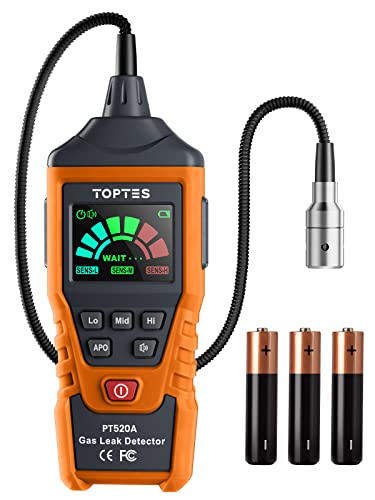
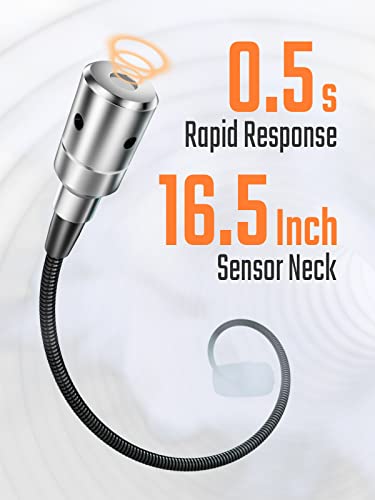
Before we talk accessories, let’s anchor the setup around the detector itself. The PT520A features a 17-inch flexible gooseneck probe that lets you reach behind appliances, into tight pipe junctions, and along gas lines without contorting yourself. According to the manufacturer, it detects methane, propane, butane, and other combustible gases, with both audible and visual alarms that increase in frequency as you approach the leak source.
Verified reviewers consistently praise the gooseneck’s flexibility and length — it’s long enough to reach behind a stove or water heater without moving the appliance. The sensitivity is frequently described as impressive, picking up even small leaks that a soapy-water test might miss. On the downside, some users report that the unit can be overly sensitive in certain environments, triggering false positives near cleaning products or freshly painted surfaces. A few reviewers also note that the instruction manual could be more detailed regarding calibration.
Pros: Long, flexible gooseneck probe; multi-gas detection; audible and visual alarm escalation; portable and battery-powered.
Cons: Can trigger false positives near volatile organic compounds; manual could be more thorough; no app connectivity.
Best for: Homeowners who want a hands-on, portable tool for tracing gas leaks to their exact source around appliances, pipes, and fittings.
Fire Suppression: AmzBoom 2-Pack Fire Extinguisher Spray

Gas leaks and fire risk go hand in hand. Having a compact fire extinguisher within arm’s reach of your gas detector storage spot is a no-brainer safety pairing. The AmzBoom 2-pack comes in a spray-can format that’s far less intimidating than a traditional extinguisher — you simply point and spray, much like using an aerosol can. Each unit ships with a mounting bracket, making it easy to stage one in the kitchen and another near the water heater or furnace.
Reviewers appreciate the compact size and the fact that the spray format doesn’t leave the heavy powder residue that traditional ABC extinguishers do. Multiple verified buyers mention keeping one in the car and one in the kitchen. The most common criticism is that the cans are relatively small, so they’re best suited for incipient fires rather than fully developed ones. Some reviewers also wish the mounting bracket were sturdier.
Pros: Lightweight and easy to use; spray format minimizes mess; mounting bracket included; 2-pack covers multiple rooms.
Cons: Limited capacity for larger fires; mounting bracket feels flimsy to some users; not a replacement for a full-size extinguisher in high-risk areas.
Best for: Homeowners who want quick-access fire suppression staged near gas appliances without the bulk of a traditional extinguisher.

Flame Suppression Backup: SecuCaptain Emergency Fire Blanket 2-Pack

A fire blanket is the silent partner to a spray extinguisher. Where the spray handles distance, a fire blanket smothers flames on contact — ideal for stovetop grease fires or for wrapping around a person whose clothing has caught fire. The SecuCaptain 2-pack offers 40″×40″ fiberglass blankets, each stored in a quick-release wall-mount pouch. In a gas-leak scenario where ignition has occurred at a small, localized point, draping a fire blanket over the source can cut off oxygen instantly.
Verified buyers frequently highlight how easy the blankets are to deploy — you pull two tabs and the blanket drops into your hands. The fiberglass material is rated for high temperatures, and multiple reviewers confirm it holds up well in kitchen fire tests. The main complaints center on the packaging: a few buyers received blankets with creases that made initial unfolding slightly awkward, and some wish the wall-mount pouch had a more discreet design.
Pros: No expiration date (unlike chemical extinguishers); reusable if undamaged; zero cleanup; quick-release pouch; 2-pack for multi-room coverage.
Cons: Only effective on small, contained fires; wall pouch aesthetics are utilitarian; initial creases can slow first deployment.
Best for: Kitchens and utility rooms where a gas leak could lead to a small, localized fire — especially near stoves and ovens.

Physical Security During Evacuation: AceMining Door Security Bar

This might seem like an unusual pairing with a gas detector, but think about the scenario: you’ve detected a leak, you’ve called the gas company, and you need to evacuate and secure the home — potentially overnight. A door security bar keeps entry points locked down while you’re away. The AceMining bar is adjustable and works on both hinged doors and sliding patio doors, which makes it versatile for different home layouts.
Reviewers consistently praise the heavy-duty steel construction and the rubber-tipped ends that grip without damaging floors or door handles. Many verified buyers use it for travel, but a significant number mention keeping one at home for exactly the kind of “secure and leave” scenario that a gas emergency creates. The most common complaint is that the adjustment mechanism can be stiff out of the box and requires some break-in. A few users also note that it doesn’t fit every door handle style perfectly.
Pros: Heavy-duty steel; works on hinged and sliding doors; adjustable length; non-marring rubber tips.
Cons: Adjustment mechanism can be stiff initially; may not fit all handle styles; adds weight to a go-bag if used for travel.
Best for: Homeowners who want to quickly secure entry points during an evacuation or while waiting for utility service.

Budget-Friendly Security Option: Rerishom Door Security Bar

If you need to secure multiple doors without doubling your budget, the Rerishom door security bar offers similar functionality to the AceMining at a more accessible price point. It features an adjustable design that fits standard door heights and includes padded contact points to protect your floors and door hardware. Like the AceMining, it works as a jammer under the doorknob to prevent forced entry.
Verified reviewers generally find it solid for the price, with many noting that it feels sturdy enough for everyday home security. The adjustment range accommodates most standard doors, and setup takes just seconds. However, some buyers report that the build quality isn’t quite as robust as pricier alternatives — the locking mechanism can feel slightly loose until you find the right height setting. A handful of reviewers mention that the rubber foot pad can slip on very smooth tile floors, suggesting a small piece of grip tape as a fix.
Pros: Budget-friendly; quick to deploy; adjustable for most standard doors; padded contact points.
Cons: Build quality a step below premium options; locking mechanism can feel loose; rubber foot may slip on polished tile.
Best for: Homeowners who want to stage security bars at multiple doors throughout the house without a large investment.

Building Your Complete Gas Safety Kit
Here’s how we’d recommend staging these accessories for maximum effectiveness:
1. Kitchen zone: PT520A detector stored in a drawer or hung on a hook, one AmzBoom extinguisher spray mounted on the wall, one SecuCaptain fire blanket in its quick-release pouch near the stove. 2. Utility room / furnace area: Second AmzBoom extinguisher spray mounted near the water heater or furnace, second fire blanket nearby. 3. Entry points: One door security bar at the main entry, one at the sliding patio door or secondary entrance.
This layered approach means you can detect, suppress, and secure — the three critical actions in any gas emergency. For more ideas on building out safety and accessory kits for other gear in your home, our guides on accessories for patio furniture and RV air conditioner maintenance follow a similar layered-preparedness philosophy.
Tips for Getting the Most Out of Your Gas Detector
- Test regularly. Most gooseneck detectors have a self-test function. Run it monthly, just like you’d test a smoke alarm.
- Store it accessibly. A detector buried in a junk drawer won’t help in an emergency. Hang it on a hook near your gas appliances.
- Replace batteries proactively. Don’t wait for the low-battery chirp. Swap batteries on a schedule — many homeowners tie it to daylight saving time changes.
- Know your gas shutoff. The detector finds the leak; you need to know where the main shutoff valve is so you can act on that information.
- Ventilate first. If the detector alarms, open windows and doors before doing anything else. Never flip electrical switches in a gas-filled room.
Product Comparison Grid
How We Research
We have not personally tested, owned, or handled any of the products in this guide. Our recommendations are based on a thorough synthesis of manufacturer specifications, official product documentation, and patterns found across verified customer reviews and expert commentary. We cross-reference multiple sources to identify consistent praise and recurring complaints, then present our findings honestly so you can make an informed decision. We believe transparent, well-sourced curation is more valuable than fabricated hands-on claims.


Leave a Reply