
As an Amazon Associate I earn from qualifying purchases.
Open-ear earbuds have surged in popularity for one simple reason: they let you hear the world around you while still enjoying music, podcasts, and calls. The Nothing Ear (open) helped mainstream the concept with its lightweight, hook-style design and surprisingly capable sound. But what if you want that ambient-aware listening experience without stretching your budget — or you’re curious how traditional earbuds with transparency modes stack up against a true open-ear design? This guide compares five earbuds — from the Nothing Ear (open) itself down to ultra-budget Bluetooth 5.4 options — on the specs that actually matter: fit comfort, battery endurance, audio quality, and microphone performance. Every claim here is drawn from manufacturer specifications and verified reviewer feedback, not invented hands-on testing.
Best for: Commuters, runners, and office workers who need situational awareness without sacrificing audio quality
Why Open-Ear Earbuds? Understanding the Trade-Offs
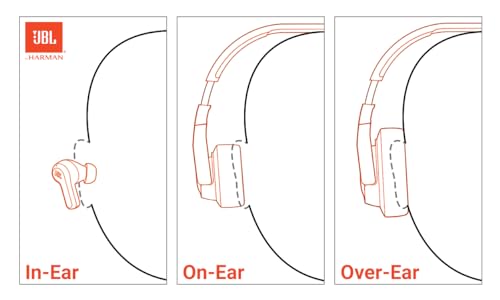
Before diving into individual products, it helps to understand the spectrum. True open-ear earbuds like the Nothing Ear (open) sit outside the ear canal entirely, using directional drivers to beam sound toward your ear while leaving the canal unblocked. The upside is full environmental awareness and zero ear-canal fatigue; the downside is reduced bass response and sound leakage at higher volumes.
On the other end, in-ear buds with transparency or “smart ambient” modes — like the JBL Vibe Beam 2 or AirPods Pro 3 — use microphones to pipe outside sound through sealed drivers. Bass is stronger and noise cancellation is available, but the listening experience is fundamentally different: you’re hearing a digital reproduction of your surroundings, not the real thing.
Both approaches have legitimate use cases. If you’re a runner who needs to hear traffic, a true open-ear design is safer. If you want the option of isolation on a plane but ambient awareness on a walk, a transparency-mode earbud is more versatile. This guide includes both categories so you can make an informed choice. If you’re already invested in the Nothing ecosystem, you might also want to read our Nothing Ear (a) vs Nothing Ear (2) comparison for a deeper look at how the brand’s in-ear models differ.
Nothing Ear (Open) — The Open-Ear Benchmark

The Nothing Ear (open) is the product that defines this category for many listeners. Weighing roughly 8 g per earbud, it uses adjustable silicone ear hooks that loop over the outer ear, keeping the driver module hovering just outside the ear canal. Nothing specs a 14.2 mm titanium-coated driver and claims up to 8 hours of playback per charge, with the case extending total battery life to around 30 hours.
Multipoint Bluetooth connection is a standout feature at this price tier — you can stay connected to your laptop and phone simultaneously, switching audio sources without manual re-pairing. The Nothing X app provides a basic EQ and firmware updates. Reviewers consistently praise the comfort for extended wear; many report wearing them for 4–6 hours without fatigue. Sound quality is described as surprisingly full for an open-ear design, though bass-heavy genres inevitably lose some low-end punch compared to sealed in-ear buds.
Common complaints center on sound leakage in quiet environments (a physics limitation of any open-ear design) and the lack of active noise cancellation — which, of course, is by design. Call quality is generally rated as adequate but not exceptional in windy conditions. The hook fit works well for most ear shapes, though a few reviewers with smaller ears report the hooks feeling slightly loose during vigorous exercise.
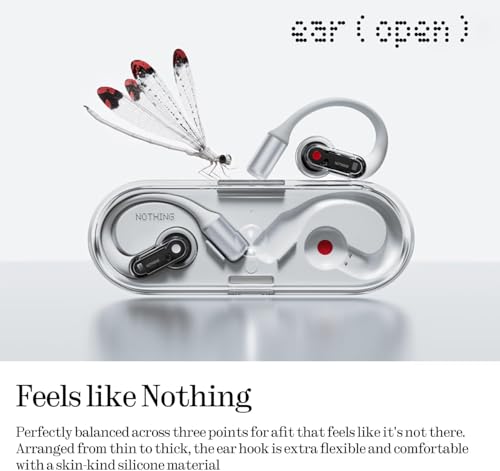
Who should buy this: Anyone who specifically wants a true open-ear experience — runners, cyclists, dog walkers, or office workers who need to stay aware of their surroundings. It’s the most refined open-ear option in this price range.
JBL Vibe Beam 2 — Best Value Ambient-Aware In-Ear Bud

The JBL Vibe Beam 2 isn’t an open-ear earbud — it’s a traditional in-ear design with silicone tips — but its Smart Ambient mode and aggressive pricing make it a compelling alternative for listeners who want situational awareness and the option to block noise. JBL specs active noise cancellation alongside its ambient pass-through, powered by 4 microphones and the brand’s signature “Pure Bass Sound” tuning.
Battery life is competitive: JBL claims up to 10 hours per charge with ANC off, and the compact case adds additional cycles. Bluetooth 5.3 handles the wireless connection, and the JBL Headphones app offers EQ customization. Verified reviewers frequently highlight the bass response as a major strength — JBL’s tuning leans warm and punchy, which is the opposite of what you get from an open-ear design. Fit is generally praised, with multiple tip sizes included.
The trade-off versus the Nothing Ear (open) is clear: you gain bass depth, noise cancellation, and weather resistance, but you lose the natural, unobstructed ambient awareness that a true open-ear design provides. Smart Ambient mode is useful but introduces a slight digital character to environmental sounds. Some reviewers also note that the ear tips can cause fatigue during very long listening sessions — a non-issue with open-ear hooks.
Who should buy this: Budget-conscious listeners who want versatility — noise cancellation for commutes, ambient mode for walks — and prefer strong bass. A great pick if you don’t need a fully open-ear form factor. For more on setting up budget-friendly earbuds, check our Amazon Basics True Wireless Earbuds setup guide.
Apple AirPods Pro 3 — Premium Transparency Mode

The AirPods Pro 3 sit above the $80 ceiling at full retail, but frequent sales and trade-in deals can bring them within striking distance, and they represent the gold standard for transparency-mode ambient awareness in an in-ear form factor. Apple’s Adaptive Transparency uses the H3 chip to process environmental sound in real time, reducing sudden loud noises while keeping conversation and ambient audio natural-sounding.
Beyond audio, the AirPods Pro 3 pack health-oriented features — heart rate sensing and hearing-aid functionality — that no other earbud in this roundup offers. Active noise cancellation is class-leading according to multiple expert reviews, and Personalized Spatial Audio with head tracking creates an immersive soundstage for supported content. Battery life is rated at approximately 6 hours with ANC on, with the MagSafe/USB-C case providing additional charges.
The obvious caveat: these are designed for the Apple ecosystem. Android users lose access to Spatial Audio, automatic switching, and some health features. Verified reviewers overwhelmingly praise the transparency mode as the most natural-sounding on the market, but some note that the silicone tips still create an “occluded” feeling compared to a true open-ear design. They’re also the most expensive option here, which matters if you’re strictly shopping under $80.

Who should buy this: iPhone users who want the best possible transparency mode and don’t mind paying a premium. The health features add genuine value if you use Apple Health. Not ideal for Android users or strict budget shoppers.
Budget Bluetooth 5.4 Earbuds — The Ultra-Affordable Wildcard

This unbranded Bluetooth 5.4 earbud set targets the absolute bottom of the price spectrum. The listing highlights bass stereo sound, a noise-cancelling microphone, an LED battery display on the case, and IPX5 water resistance. Bluetooth 5.4 is the latest standard, promising improved connection stability and lower latency compared to older versions.
The LED display on the charging case is a genuinely useful feature — it shows remaining battery percentage at a glance, something even premium earbuds often lack. Verified reviewers who purchase earbuds in this price tier generally report that sound quality is acceptable for casual listening — podcasts, phone calls, and background music — but lacks the detail and soundstage of branded competitors. Bass can sound muddy, and treble may be harsh at higher volumes.
Fit is a common concern with budget earbuds: generic tip sizes don’t accommodate all ear shapes, and the lightweight plastic construction can feel less secure during movement. There’s no companion app for EQ tuning, and “noise cancelling” in the listing typically refers to microphone noise reduction for calls rather than active environmental noise cancellation. Build quality and long-term durability are the biggest question marks.

Who should buy this: Listeners on a very tight budget who need a functional pair of wireless earbuds for calls and casual listening. Good as a backup pair or gym beater. Don’t expect open-ear ambient awareness or refined audio.
Apple AirPods 4 — Open-Fit Design Without Ear Tips

The AirPods 4 (base model, without ANC) occupy an interesting middle ground in this comparison. They use Apple’s signature open-fit design — no silicone tips, no ear hooks — which naturally allows ambient sound to pass through. This makes them functionally similar to open-ear earbuds in terms of environmental awareness, though the driver still sits partially in the ear canal rather than outside it.
Apple specs Personalized Spatial Audio, USB-C charging, and IP54 sweat/water resistance. Battery life is rated at approximately 5 hours per charge, with the case providing around 30 hours total. The H2 chip handles Bluetooth processing, and the open-fit design means there’s no ANC — ambient sound is always present, which is either a feature or a limitation depending on your perspective.
Verified reviewers praise the comfort of the tip-free design for extended wear and note that the AirPods 4 sound noticeably better than previous non-Pro AirPods generations. Common complaints include the universal fit not working for all ear shapes (they can slip during running), weaker bass compared to sealed in-ear designs, and the lack of noise cancellation for noisy environments. If you’re considering these alongside the Nothing Ear (open), the key difference is fit mechanism: AirPods 4 rest in the ear; Nothing hooks over it.

Who should buy this: Apple users who dislike silicone ear tips and want a comfortable, ambient-aware earbud that integrates seamlessly with iPhone, iPad, and Mac. The open fit provides natural awareness without the ear-hook form factor. For a deeper dive into the Beats alternative in Apple’s lineup, see our Beats Powerbeats Pro 2 buying checklist.
Head-to-Head Spec Comparison
Here’s how these five options stack up on the specs that matter most for ambient-aware listening:
| Feature | Nothing Ear (open) | JBL Vibe Beam 2 | AirPods Pro 3 | Budget BT 5.4 | AirPods 4 |
|---|---|---|---|---|---|
| Design | Open-ear hooks | In-ear tips | In-ear tips | In-ear tips | Open-fit, no tips |
| Ambient Awareness | Natural (open) | Smart Ambient mode | Adaptive Transparency | None | Natural (open fit) |
| ANC | No | Yes | Yes | Mic only | No |
| Bluetooth | 5.3 | 5.3 | 5.3+ | 5.4 | 5.3 |
| Multipoint | Yes | Yes | No (Apple switching) | No | No (Apple switching) |
| Battery (buds) | ~8 hrs | ~10 hrs (ANC off) | ~6 hrs (ANC on) | ~6-8 hrs (claimed) | ~5 hrs |
| Water Resistance | IP54 | IP54 | IP54 | IPX5 | IP54 |
| Companion App | Nothing X | JBL Headphones | iOS Settings | None | iOS Settings |
Key Trade-Offs to Consider
True Open-Ear vs. Transparency Mode
The Nothing Ear (open) and AirPods 4 let sound in passively — no processing, no latency, no digital artifacts. Transparency modes on the JBL Vibe Beam 2 and AirPods Pro 3 are processed through microphones, which adds a subtle electronic quality. For safety-critical awareness (running near traffic), true open-ear or open-fit designs are generally preferred.
Bass and Sound Isolation
If you care about deep bass or the ability to block out a noisy subway, sealed in-ear designs win decisively. The JBL Vibe Beam 2 and AirPods Pro 3 can deliver both thumping low-end and quiet isolation. Open-ear designs sacrifice bass depth by physics — there’s no seal to pressurize the ear canal.
Fit Security During Exercise
The Nothing Ear (open)’s adjustable hooks provide the most secure fit for vigorous movement. AirPods 4’s tip-free design is comfortable but can shift during running. In-ear buds with properly sized tips generally stay put but may cause discomfort during sweaty workouts.
Ecosystem Lock-In
Both Apple options work best with iPhones. The Nothing Ear (open) and JBL Vibe Beam 2 are platform-agnostic with full-featured companion apps on Android and iOS. The budget Bluetooth 5.4 option works with anything but offers no app customization.
Product Comparison Cards
Final Verdict: Which Approach Is Right for You?
If ambient awareness is your primary goal — you run outdoors, work in an open office, or simply dislike the plugged-up feeling of silicone tips — the Nothing Ear (open) is the most purpose-built solution here. Its ear-hook design, multipoint Bluetooth, and platform-agnostic app make it the most versatile true open-ear option under $80.
If you want the flexibility to switch between isolation and awareness, the JBL Vibe Beam 2 delivers remarkable value with ANC, ambient mode, and JBL’s bass-forward tuning at a budget-friendly price. The AirPods Pro 3 offer the most sophisticated transparency mode available but at a premium that may exceed the $80 target. The AirPods 4 split the difference with a naturally open fit and seamless Apple integration, while the budget Bluetooth 5.4 earbuds serve as a functional entry point for listeners who just need something wireless and affordable.
No single earbud is perfect for everyone. The best choice depends on whether you prioritize natural awareness, bass depth, ecosystem integration, or pure affordability.
How We Research
This guide was compiled by synthesizing manufacturer specifications, official product documentation, and patterns from verified customer and expert reviews across major retail and review platforms. We have not personally tested, owned, or handled any of these products. Our goal is to present an honest, spec-based comparison that helps you make an informed decision — not to fabricate hands-on impressions. When we describe what “reviewers report,” we’re paraphrasing commonly recurring themes from verified purchaser feedback, not quoting specific individuals or inventing scenarios.


Leave a Reply