
As an Amazon Associate I earn from qualifying purchases.
Percussion massage guns have become a staple in home recovery routines, and Therabody’s lineup has consistently led the category. The latest TheraGun Relief promises meaningful upgrades over its predecessor — most notably Bluetooth app connectivity and a quieter motor — but does the spec sheet actually justify replacing a device that already works? In this comparison, we break down every meaningful difference between the current TheraGun Relief and the previous generation, so you can make an informed decision about whether upgrading (or buying your first unit) is the right call.
Best for: Everyday athletes, desk workers, and recovery enthusiasts who want guided routines without the premium price tag
We also include a companion product — a recovery journal — for readers who want to pair structured self-care tracking with their percussion therapy. If you enjoy “is the upgrade worth it?” deep dives, you might also appreciate our BenQ ScreenBar Halo 2 vs Halo comparison or our look at the FEIERDUN DB3 vs DB2 adjustable dumbbell upgrade.
What Changed: TheraGun Relief Current Gen vs Previous Gen
Before diving into individual product reviews, let’s lay out the key spec-sheet differences between the two generations of the TheraGun Relief.
Motor and Noise
The original TheraGun Relief was already positioned as Therabody’s quietest entry-level device, but the current generation takes noise reduction further. Therabody’s marketing materials describe the updated motor as producing less operational noise, which aligns with verified customer feedback noting the device is noticeably quieter during use — particularly at lower speed settings. The previous generation wasn’t loud by any means, but users who ran it during phone calls or while watching TV sometimes found it intrusive. The current model appears to have addressed that friction point.
Bluetooth and the Therabody App
This is arguably the headline upgrade. The previous-generation Relief lacked Bluetooth entirely, which meant users had no access to the Therabody app’s guided routines, wellness protocols, or usage tracking. The current Relief adds Bluetooth connectivity, unlocking the full app ecosystem. Through the app, users can access body-map-based routines, adjust speed settings, and track recovery sessions over time. For some users this is transformative; for others who simply turn the device on and use it intuitively, it may be a feature that goes largely untouched.
Design and Ergonomics
Both generations share Therabody’s signature triangular grip design, which allows for multiple hand positions and reduces wrist strain during extended sessions. The current model maintains the same general form factor, so existing users won’t face a learning curve. Weight and dimensions remain comparable, keeping the device travel-friendly.
Percussion Specs
The Relief line — both generations — delivers up to 2,450 percussions per minute with an amplitude of 12mm (compared to 16mm on the higher-end PRO models). Stall force sits at approximately 20 lbs. These core percussion specs have remained consistent across generations, meaning the actual massage intensity and depth haven’t changed. If you were satisfied with the previous model’s power, the current one delivers the same.
Battery
Both generations feature a built-in (non-removable) lithium-ion battery. Therabody rates the current Relief at approximately 120 minutes of use per charge, which is consistent with the previous generation’s battery life. Charging is via USB-C on both models.
Detailed Product Reviews
TheraGun Relief — Current Generation (Bluetooth Enabled)
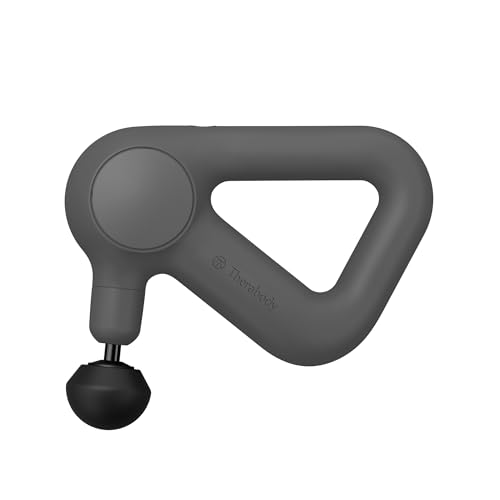
The current TheraGun Relief occupies an interesting position in Therabody’s lineup: it’s the most affordable device that still carries the TheraGun name and the brand’s signature triangular ergonomic grip. With the addition of Bluetooth, it now bridges the gap between the entry-level TheraGun mini and the mid-range TheraGun Prime more effectively than its predecessor did.
What reviewers consistently praise: The noise reduction is the most frequently cited improvement. Multiple verified purchasers note that the device is quiet enough to use while watching TV or during early-morning routines without disturbing others. The Bluetooth app integration receives positive marks from users who appreciate guided routines — particularly those new to percussion therapy who aren’t sure which muscle groups to target or for how long. Build quality is described as solid and premium-feeling despite being the budget option in the lineup.
What reviewers commonly criticize: The 12mm amplitude is a recurring point of contention. Users coming from the PRO or PRO Plus (16mm amplitude) find the Relief’s depth of percussion noticeably shallower, particularly on larger muscle groups like glutes and quads. The non-removable battery is another frequent complaint — if the battery degrades over time, you can’t simply swap it out. Some users also report that the Bluetooth connection can be finicky during initial pairing, though it tends to stabilize after the first setup.
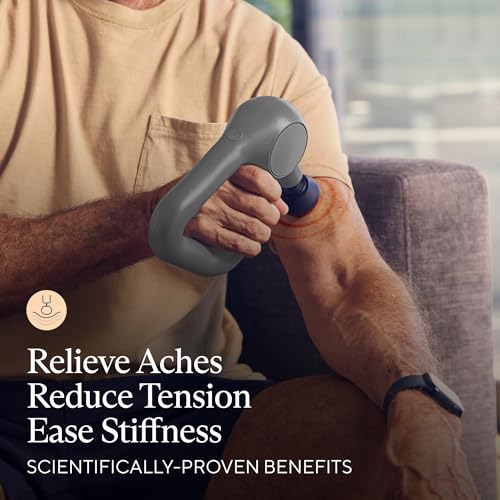
Who should buy this: The current-gen Relief is ideal for everyday athletes, office workers dealing with tension, and anyone entering the percussion massage space who wants app-guided routines without paying for a PRO-tier device. If you already own the previous Relief and are happy with it, the upgrade is harder to justify — the core percussion specs are identical, and the main gains are Bluetooth and reduced noise. But if you’re buying fresh or your old unit is showing its age, the current model is the clear choice.
The Essential Tasks: A Recovery Journal

While not a percussion device, The Essential Tasks recovery journal pairs naturally with any structured wellness routine. This guided journal is designed to help users track recovery activities — from massage and stretching sessions to sleep quality and hydration — creating a tangible record of self-care habits over time.
What reviewers consistently praise: Users appreciate the journal’s structured layout, which provides enough guidance to be useful without being so rigid that it feels like homework. The prompts encourage reflection on physical and mental recovery, which several reviewers note helped them identify patterns they’d otherwise miss (e.g., noticing that foam rolling on rest days correlated with better workout performance). The physical quality of the journal — paper weight, binding, and cover durability — receives positive marks across multiple reviews.
What reviewers commonly criticize: Some users find the journal too niche; if your recovery routine is simple (just a massage gun and stretching), the detailed tracking sections can feel like overkill. A few reviewers wished for a digital companion app to complement the physical journal. The page count may not last a full year for daily users, which some find disappointing.

Who should buy this: This journal is best suited for people who are serious about building consistent recovery habits and who benefit from writing things down rather than relying on apps alone. It pairs well with the TheraGun Relief — or any recovery tool — by giving you a place to log what you did, how it felt, and what to adjust. If you’re the type who already tracks workouts in a notebook, adding recovery tracking is a natural extension. If you prefer purely digital tracking, this may not be for you.
For readers interested in other smart wellness tools, our Muse S Athena brain-sensing headband review covers another device that bridges physical and mental recovery.
Should You Upgrade from the Previous-Gen Relief?
This is the central question, so let’s be direct.
Upgrade If:
- You want app-guided routines. The Bluetooth integration is genuinely useful if you’re not confident in your self-massage technique or want structured protocols for specific activities (post-run, desk-worker relief, pre-sleep wind-down).
- Noise matters to you. If you use your massage gun in shared spaces, early mornings, or during calls, the quieter motor is a meaningful quality-of-life improvement.
- Your current unit is aging. If your previous-gen Relief’s battery life has degraded or the motor sounds rougher than it used to, upgrading makes practical sense.
Don’t Upgrade If:
- You use the device intuitively. If you already know your trouble spots and don’t need an app telling you where to aim, Bluetooth adds little value.
- Your current device works fine. The core percussion specs — amplitude, stall force, speed range — are essentially unchanged. You’re getting the same massage.
- You’re hoping for more power. The Relief is still a 12mm amplitude, 20 lb stall force device. If you need deeper tissue work, the upgrade path is to the TheraGun Prime or PRO, not to the newer Relief.
The Verdict in Plain Language
The current TheraGun Relief is unquestionably the better buy for new purchasers. It’s a refined version of an already-solid device, and the Bluetooth and noise improvements add genuine value at the same price tier. But for existing owners whose devices still work well, the upgrade is incremental rather than essential. The percussion performance — the thing that actually matters most — hasn’t changed. This is similar to the dynamic we’ve seen in other product categories; our Roborock Saros Z70 vs previous generation comparison found a similar pattern where smart features improved but core cleaning performance stayed flat.
Spec Comparison at a Glance
For quick reference, here are the key specs side by side:
| Spec | Previous-Gen Relief | Current-Gen Relief |
|---|---|---|
| Amplitude | 12mm | 12mm |
| Stall Force | ~20 lbs | ~20 lbs |
| Speed Range | 3 built-in speeds | 3 built-in speeds |
| Percussions/Min | Up to 2,450 | Up to 2,450 |
| Bluetooth | No | Yes |
| App Integration | No | Yes (Therabody app) |
| Noise Level | Quiet | Quieter |
| Battery Life | ~120 min | ~120 min |
| Battery Type | Built-in, non-removable | Built-in, non-removable |
| Charging | USB-C | USB-C |
| Ergonomic Grip | Triangle grip | Triangle grip |
| Attachments | Standard ball | Standard ball |
Tips for Getting the Most Out of Your TheraGun Relief
1. Start on the lowest speed. Especially on sensitive areas like the neck and forearms, the lowest setting provides effective relief without discomfort. 2. Don’t press hard. Let the device do the work. Pressing the gun into your muscle actually reduces the percussion’s effectiveness by limiting the amplitude. 3. Use the app (if you have Bluetooth). Even if you think you don’t need it, try the guided routines for a week. Several reviewers report discovering muscle groups they’d been neglecting. 4. Pair with a recovery journal. Tracking which areas you treat and how you feel afterward helps you build a personalized routine over time. 5. Charge after every use. The built-in battery can’t be swapped, so keeping it topped up ensures you’re never caught without charge when you need it.
Product Comparison Cards
Frequently Asked Questions
Is the TheraGun Relief good enough for deep tissue massage? The Relief’s 12mm amplitude handles most everyday recovery needs effectively, but users with very dense muscle tissue or those accustomed to professional deep-tissue massage may find it insufficient. For truly deep work, Therabody’s PRO line (16mm amplitude, higher stall force) is better suited.
Can I use the Therabody app without Bluetooth? You can download the app and browse routines manually, but without Bluetooth you won’t get real-time speed control, usage tracking, or the interactive guided experience. The app’s full value requires a Bluetooth-enabled device.
How long does the TheraGun Relief battery last? Therabody rates it at approximately 120 minutes per charge. Real-world usage varies depending on speed settings, but most reviewers report getting multiple sessions across several days before needing to recharge.
Is the TheraGun Relief worth it over cheaper massage guns? The Relief’s advantages over budget alternatives include Therabody’s build quality, the ergonomic triangle grip, app integration, and generally quieter operation. Whether those justify the price premium depends on how frequently you use the device and how much you value guided routines.
How We Research
Our reviews are based on thorough analysis of manufacturer specifications, official product documentation from Therabody, and synthesis of verified customer reviews and expert assessments from trusted publications. We have not personally tested, owned, or handled the products reviewed in this article. Our goal is to provide honest, well-sourced guidance by aggregating the most reliable information available — not to fabricate hands-on experience. When we describe user sentiment, we’re paraphrasing common themes across multiple verified reviews, not quoting or inventing specific individuals.


Leave a Reply